How to Choose Manufacturing Robots for Your Business?
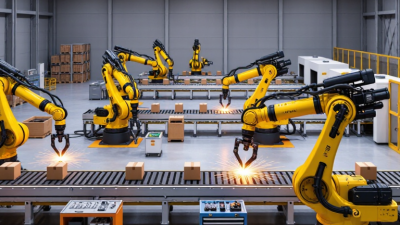
Manufacturing Robots are moving from specialist cells into everyday production, but buying one is not a simple equipment decision. The International Federation of Robotics reported 4,281,585 industrial robots operating in factories worldwide in 2023. Its World Robotics 2024 report also recorded 541,302 new installations that year. The scale is real. Yet a global trend cannot tell you whether a robot will fit beside your press, reach a deep fixture, or keep pace with your actual cycle time.
Choosing well starts with the work, not the catalogue. A robot lifting a 12-kilogram part needs different reach and gripper capacity from one tending a machine in a tight enclosure. Payload, cycle time, accuracy, floor space, tooling, and the production environment all matter. So do integration costs, operator training, maintenance access, and support for future product changes. A low purchase price can hide expensive downtime. And a technically impressive arm may be the wrong choice.
This guide explains how to compare Manufacturing Robots against real business needs, including application, robot type, specifications, safety, integration, and total cost of ownership. It also considers collaborative and conventional industrial robots without assuming one suits every factory. The awkward part is often estimating the work honestly: product mix changes, fixtures wear, and promised cycle times may not match the line. Use supplier claims as a starting point, then validate them with your parts, process data, and a practical trial.

Define Production Goals and Tasks for Robotic Automation
Before comparing robot specifications, write down what production must improve. Is the goal higher output, fewer repetitive lifts, steadier quality, or safer handling? Keep it measurable. Record current cycle time, rejected units per shift, and hours spent moving 8-kilogram cartons. Small details matter. Then set a realistic target, such as reducing handling time by 20 percent without increasing defects. Avoid promising gains before a trial.
Map the task at the workstation. Note each step, part orientation, reach distance, tool changes, and how workers hand items to the robot. A robot may make a fast pick, then wait several seconds for a fixture to reset. Measure variation across a full shift, not only during a tidy demonstration. Include product changeovers, awkward parts, dust, oil, and cleaning needs. These conditions often determine whether automation fits.
Choose tasks with clear boundaries and repeatable inputs, then identify exceptions. What happens when a part arrives crooked or a sensor misses it? Define who checks the cell, clears minor jams, and records downtime. Be honest about weak spots. A brief packaging pause is easy to overlook, yet it can change expected returns. A pilot on one line can expose gaps, though it may not represent every season or product mix.
Assess Workspace, Payload, Reach, and Operating Conditions
Choosing a manufacturing robot starts with the space it must share, not just the task on paper. Measure floor area, ceiling height, machine doors, and the route used to load parts. A cell that fits on a drawing may block a pallet jack or leave no room for maintenance. Measure twice. Include guards, fixtures, cable routing, and the operator’s usual working position. Small clearances matter.
Check payload against the complete moving load. That includes the gripper, cables, and workpiece, not only the part’s weight. A heavy part held far from the wrist can challenge the robot more than its mass suggests. Then check reach across every task position. The maximum reach figure alone can mislead: the robot may reach a point but struggle to approach it at the required angle. Test pickup, placement, and tool changes in a layout or simulation before fixing the cell design.
Operating conditions affect reliability and robot selection. Note temperature changes, dust, moisture, vibration, and the planned shift pattern. A robot near a hot process or frequent washdown may need suitable protection and a maintenance plan. It is easy to assume the factory environment is stable; it often is not. Record actual conditions during different shifts, and confirm that cycle demands allow time for safe stops, inspection, and routine service.
Compare Robot Types and Their Suitable Applications
How to Choose Manufacturing Robots for Your Business?
Compare Robot Types and Their Suitable Applications
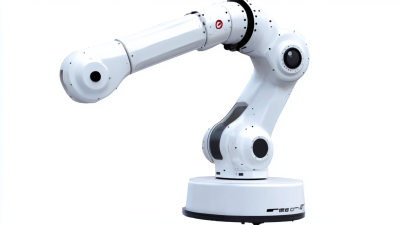
The right robot depends on the task, product, and workspace. Articulated robots have several rotating joints, so they can reach around fixtures and handle welding, machine tending, or material movement. A small six-axis model may fit a compact cell, while heavier payloads need a stronger structure and suitable floor support. These details are easy to overlook.
SCARA robots move quickly across a horizontal plane, making them useful for assembly and pick-and-place work. Delta robots suit lightweight products on fast-moving lines, such as sorting small packaged items. Cartesian robots travel along straight axes and can serve precise loading or dispensing tasks. They are often easier to understand, though their frame may take up more floor space. Collaborative robots can work near people for lighter tasks, but safe operation still depends on risk assessment, tooling, and the actual layout.
Tips:
Watch the process before choosing. Note cycle time, reach, payload, and access for maintenance. Test with the real part, not only a sample drawing. A robot that looks fast in a specification sheet may slow down when gripping slippery components or waiting for an operator. Leave room for change; production needs rarely stay perfectly still.
Evaluate Safety, Integration, Programming, and Maintenance Needs
Choosing a manufacturing robot begins with the workcell, not the robot’s headline speed. Safety requirements depend on the task, nearby workers, tools, and material flow. Map where people load parts, clear jams, and perform inspections. Then assess hazards such as pinch points, sharp edges, and unexpected movement. Guarding, interlocks, emergency stops, and safe operating procedures should match the actual layout. A small change in reach can alter risk. Start with the cell.
Integration deserves equal attention. Check how the robot will communicate with existing controllers, conveyors, sensors, and quality systems. Confirm available floor space, power, network connections, and cycle-time targets before installation. A short pilot run can reveal awkward handoffs that drawings miss. Keep it practical. Ask who will program the robot after commissioning, and whether that person can adjust a path or recover from a fault without outside help. Clear instructions and realistic training reduce dependence on one specialist.
Maintenance needs are easy to underestimate. Review inspection intervals, lubrication points, tool wear, and access to replacement components. Ask how quickly your team can diagnose common faults, and record who owns each task. Track downtime during the first weeks, including minor stoppages that operators may dismiss. The first plan will probably need revision. That is useful evidence, not failure. Choose a system your staff can operate safely, integrate reliably, program confidently, and maintain with the time and skills they actually have.
Estimate Total Costs and Select a Robot for Your Business
A robot’s purchase price is only the visible part of the investment. Estimate the full cost over several years, not just the initial quote. Include the robot, grippers, fixtures, guarding, installation, and software changes. A welding cell, for example, may need extraction equipment and custom tooling before it can run reliably. Small details matter.
Then estimate recurring expenses. Account for operator training, preventive maintenance, spare parts, electricity, and possible production downtime. Ask who will troubleshoot faults during a night shift. If outside support is needed, include its travel and service fees. Costs add up. A modest robot may require expensive integration, while a more capable system could reduce manual handling or cycle time.
Compare options against the task and expected output. Record the payload, reach, cycle time, accuracy, and hours of operation your process actually needs. Avoid paying for capacity that sits unused. Estimate savings using realistic labor and throughput figures, then test your assumptions with a pilot or short production trial. The numbers will not be perfect. Revise them when real cycle times, changeovers, and maintenance needs become clear. A sensible choice fits the process, budget, and team that will operate it.