What Is the Best Robot Coffee Machine from China?
Choosing the best Robot Coffee Machine from China requires more than comparing prices or counting drink options. A convincing machine should deliver stable espresso, accurate milk texture, fast service, and dependable cleaning. It should also fit the daily rhythm of a café, hotel, office, or self-service location.
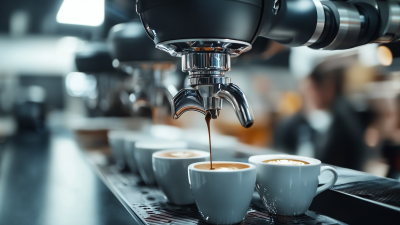
Espresso expert David Schomer offers a useful reminder: “Espresso is a brewing method, not a type of coffee.” His principle applies to automated equipment. A robot cannot rescue poor beans, uneven grinding, or unstable water temperature. Look closely at burr quality, dosing accuracy, brewing pressure, temperature control, and cup-to-cup consistency. Watch the machine operate. Does the grinder sound smooth? Does the milk emerge glossy, not bubbly? Small details reveal engineering quality.
China’s strongest manufacturers often combine competitive pricing with rapid customization and expanding technical support. Yet the cheapest option is rarely the safest choice. Ask about cleaning cycles, spare parts, software updates, electrical certifications, and response times. Request test data under busy conditions, not only polished showroom demonstrations. A machine producing one beautiful cup proves little. Fifty consistent cups matter more.
There is no universal winner.
The best Robot Coffee Machine depends on location, menu, traffic, and staff capability. Some models impress with robotic movement but lose points through complicated maintenance. Others look ordinary yet perform reliably for years. This comparison will examine both strengths and uncomfortable limitations, because automation is useful only when it survives real-world service.
What Defines the Best Robot Coffee Machine from China?
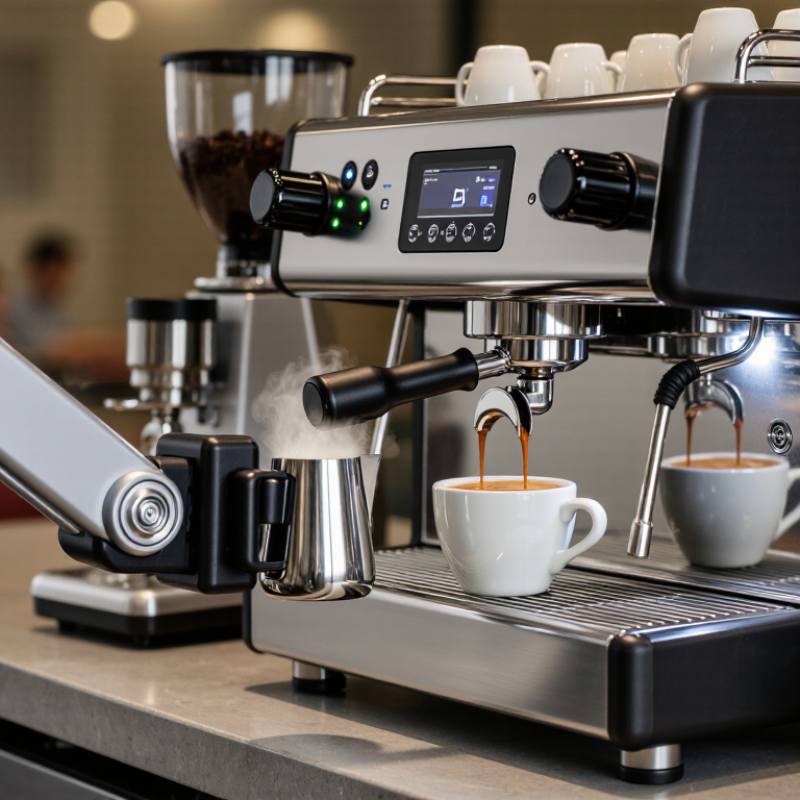
The best robot coffee machine from China is defined by performance, not a polished appearance. It should grind beans evenly, control water temperature, and produce consistent pressure. A practical test starts at 7 a.m., when the first espresso should taste balanced rather than burnt. Milk foam also matters. It should look smooth, feel warm, and remain stable for several minutes. Small details count.
Reliable automation requires accurate sensors and simple controls. The machine should adjust grinding time, water volume, and brewing temperature without confusing menus. Its internal parts need food-safe materials and easy access for cleaning. Removable brewing units, washable milk tubes, and clear maintenance alerts reduce daily problems. Safety certification, traceable production records, and detailed instructions also show professional manufacturing. These points help buyers judge quality beyond online photos.
Real experience can expose weaknesses quickly. A machine may perform well for ten cups, then struggle with oily beans or repeated milk drinks. That matters. Noise should be measured in a quiet kitchen, not only in a showroom. Repair support, spare-part availability, and honest warranty terms define reliability over time. I would not ignore a small flaw, either. Slow heating or a messy drip tray may become frustrating after months. The best model is the one that delivers steady coffee, explains its limits, and remains manageable on an ordinary busy morning.
How Chinese Robot Coffee Machines Work
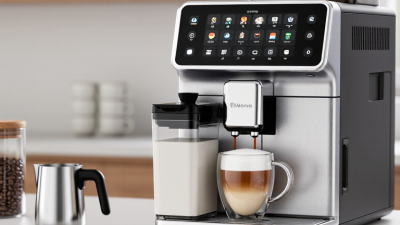
A Chinese robot coffee machine combines dosing, brewing, motion control, and software in one compact station. A customer selects a recipe on a touchscreen or mobile interface. The system then moves a cup beneath the grinder, measures beans, and starts extraction. Small sensors check cup position, water level, temperature, and door status.
The control unit coordinates pumps, valves, heaters, and robotic joints within seconds. Some machines use cameras to identify cup placement and detect spills. Others use load cells to measure liquid weight during brewing. This feedback helps maintain a repeatable recipe, although calibration still matters. A poorly adjusted grinder can produce weak coffee, even with accurate automation.
The International Federation of Robotics reported 276,288 industrial robot installations in China during 2023, representing about 51% of global installations. This manufacturing base supports cheaper motors, sensors, and control components. Food-service machines still need stricter hygiene design. ISO 22000 principles encourage hazard control across food operations, while electrical and mechanical safety require separate testing.
The workflow is impressive.
Yet automation is not perfection. Milk residue can collect inside narrow tubes, and cleaning delays can affect taste and safety. Operators should inspect seals, rinse lines, and verify temperature records daily. A 2024 International Coffee Organization report estimated global coffee consumption at about 177.9 million 60-kilogram bags for 2023/24. That demand makes consistency valuable, but customer trust depends on maintenance, transparent specifications, and reliable service data.
Key Features to Compare Before Choosing a Model
What Is the Best Robot Coffee Machine from China?
Key Features to Compare Before Choosing a Model
Choosing a robot coffee machine requires more than watching a smooth demonstration. Compare brewing accuracy, cleaning access, service support, and long-term operating costs. A compact machine may save counter space, but its smaller water tank can require frequent refilling.
Check the grinder carefully. Ask whether it offers adjustable settings, stable dosing, and simple replacement parts. During a hands-on comparison, listen for harsh motor noise and observe the espresso flow. Uneven extraction often reveals poor calibration. Milk performance matters too. A reliable system should produce consistent foam without leaving thick residue inside the tubing.
Look beyond the touchscreen. Review the machine’s daily cleaning process, drain design, and error messages. Clear instructions reduce mistakes during busy service. Ask about electrical certification, food-contact materials, warranty coverage, and technician response times in your market. These details support safer purchasing decisions and stronger operational reliability.
A polished interface can mislead. I would test at least twenty drinks, including decaffeinated coffee and milk beverages, before deciding. Taste preferences also vary, so a high extraction score does not guarantee customer satisfaction. Some Chinese manufacturers offer strong engineering value, but documentation and local support may differ. That weakness deserves honest attention.
Leading Types of Chinese Robot Coffee Machines
What Is the Best Robot Coffee Machine from China?
Leading Types of Chinese Robot Coffee Machines
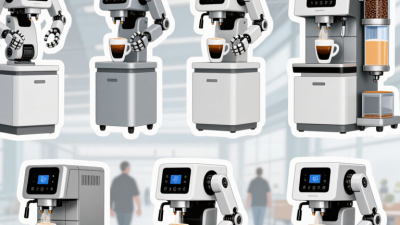
China’s robot coffee machines usually fall into three practical types. Robotic-arm bars use a visible arm to grind, brew, steam, and serve drinks. Automated kiosk units combine storage, brewing, payment, and cleaning in one enclosure. Modular countertop machines offer compact brewing modules for offices, hotels, and small cafés. Each design serves a different workflow.
For busy malls, kiosk systems reduce staffing pressure and keep the service area enclosed. For offices, countertop units usually need less floor space and simpler maintenance. Robotic arms create stronger visual appeal, but their moving parts require careful calibration.
The International Federation of Robotics reported 276,288 industrial robot installations in China during 2023. That represented about 51% of global installations, according to World Robotics 2024. The figure shows strong automation capacity, not guaranteed coffee quality.
Project Café China 2024 estimated more than 50,000 branded coffee outlets in the country. This growing outlet density increases demand for consistent preparation and faster service. The best machine should match traffic, menu size, water access, and maintenance skills. Buyers should request extraction tests, cleaning records, temperature data, and spare-parts plans.
On-site testing matters. A machine can look impressive while producing flat espresso or excessive waste.
My practical concern is often overlooked: recovery time after peak orders. A slower system may suit an office better than a dramatic robotic arm.