What is the Best Robotic Arm Design for Your Business Needs?
In today's competitive landscape, selecting the best robotic arm design is crucial for businesses across various industries. A recent report by MarketsandMarkets projects the global robotic arm market to reach $14.7 billion by 2026, highlighting the increasing reliance on automation. According to Dr. Emily Chen, a noted expert in robotic automation, “Choosing the right robotic arm design is key to maximizing operational efficiency.”
Businesses are faced with numerous options. Their unique requirements can make it challenging to find the ideal robotic arm. Factors such as payload capacity, precision, and versatility all come into play. Companies often struggle with identifying their specific needs, leading to potential misinvestments.
A well-suited robotic arm design can greatly enhance productivity. However, many businesses do not fully understand the trade-offs involved. Balancing cost and performance is not always straightforward. Experts stress the importance of tailoring solutions to meet individual operational challenges. This approach fosters long-term success and mitigates risks associated with poor design choices.
Understanding the Basics of Robotic Arm Technology
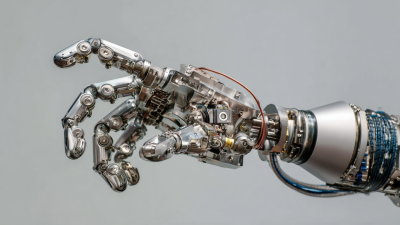
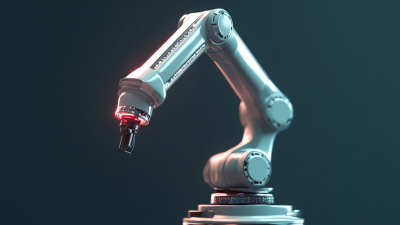
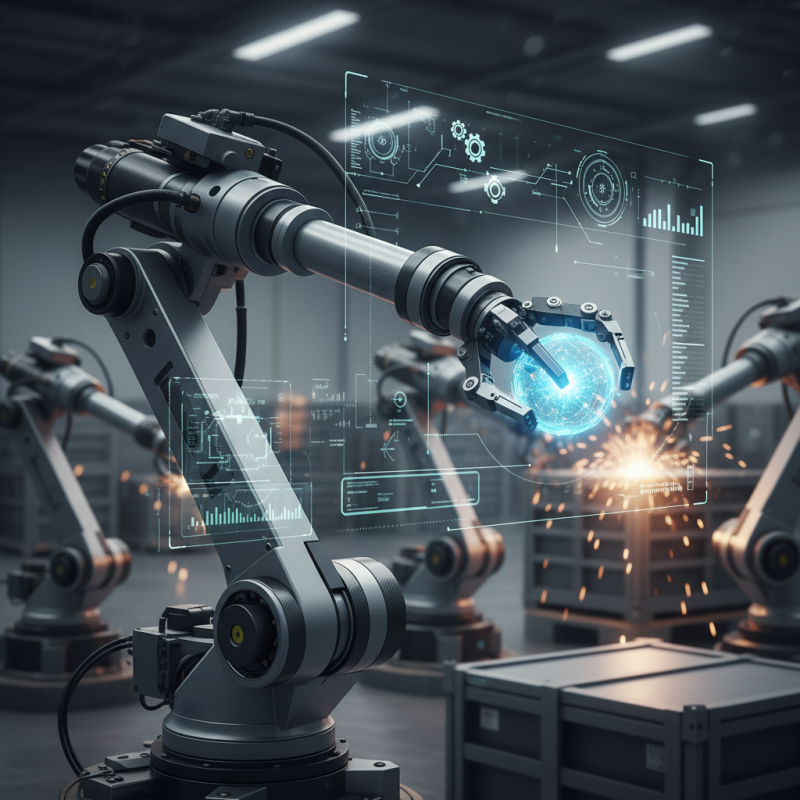
Robotic arm technology has transformed various industries. These arms automate tasks that are repetitive and require precision. Understanding the components is essential. A typical robotic arm consists of joints, links, and end effectors. These parts work together to mimic human movements. For businesses, this means increased efficiency in production lines.
Different applications require different designs. Some arms are better suited for heavy lifting, while others excel in delicate assembly. This diversity in design is crucial. However, businesses often overlook the importance of customization. Each operation is unique and may require adjustments to standard models. This can lead to potential mismatches between the arm and the job.
Training and software integration are vital for success. The robotic arm needs to communicate effectively with other systems. Yet, many companies underestimate the learning curve for staff. As technology evolves, regular updates and training become necessary. Embracing these challenges can lead to significant long-term benefits.
Identifying Your Business Needs for Robotic Automation
When considering robotic automation for your business, identifying specific needs is essential. Different industries have distinct requirements that can guide arm design. For instance, manufacturing often demands strength and precision, while healthcare might prioritize flexibility and gentleness. According to a report by the International Federation of Robotics, the demand for industrial robots is projected to grow by 12% annually, emphasizing the need for tailored solutions.
Evaluating your workflow is vital. Map out repetitive tasks that could benefit from automation. A study by McKinsey found that about 60% of jobs have at least 30% of their activities that could be automated. This insight helps businesses focus on processes ripe for robotic intervention. Invest time in understanding the capabilities of a robotic arm too. Performance factors include speed, load capacity, and ease of programming.
It’s not just about the immediate benefits. Consider potential downtime during implementation and training. Some businesses report initial disruptions in workflow when introducing new technologies. Assessing your readiness for change is crucial. More than just technology, integrating new automation requires a cultural shift within your organization. Addressing these factors will ensure that the robotic arm you choose aligns perfectly with your business objectives.
Key Features to Consider in Robotic Arm Designs
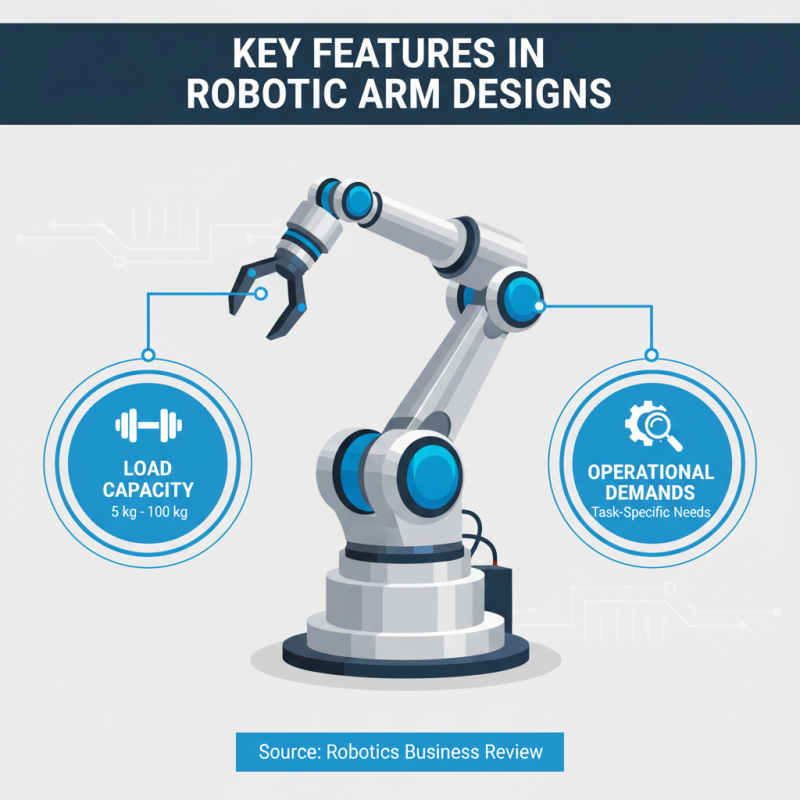
When selecting a robotic arm for your business, specific features are crucial. Load capacity is a primary consideration. According to a report by Robotics Business Review, many industries require robotic arms that can handle weights between 5 kg and 100 kg. Understanding your operational demands is vital.
Another important feature is the range of motion. A robotic arm with a wider range of motion offers greater flexibility. Research indicates that robotic arms with six or more degrees of freedom can significantly enhance productivity. This freedom allows the robotic arm to perform complex tasks with ease, reducing cycle times and improving efficiency.
Integration capabilities are also essential. The ability to seamlessly connect with existing systems can lead to a smoother workflow. However, many businesses overlook this aspect. A study by McKinsey found that nearly 70% of automation projects fail to meet their expected outcomes due, in part, to poor system integration. Investing time in understanding these features can lead to better decision-making and operational success.
Comparing Different Robotic Arm Models and Their Applications
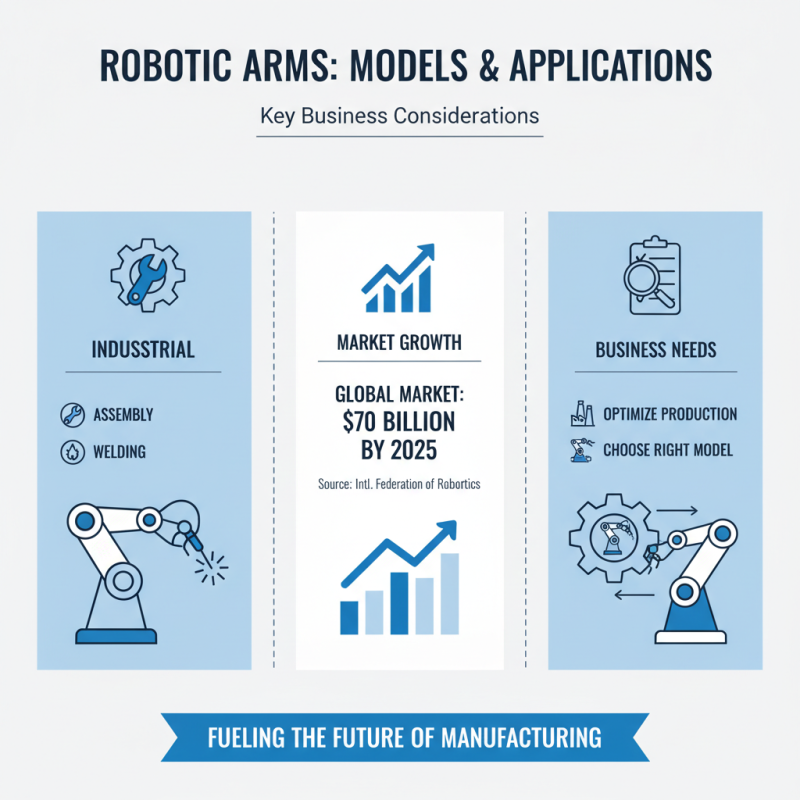
When evaluating robotic arm models for business needs, it's essential to consider specific applications. Industries like manufacturing utilize robotic arms for assembly and welding. According to a recent report by the International Federation of Robotics, the global market for industrial robots is projected to reach $70 billion by 2025. This growth underscores the importance of selecting the right model.
Collaboration is also a key factor in robotic design. Collaborative robots, or cobots, work alongside human operators. They are ideal for small to medium-sized businesses that seek flexibility. A study from McKinsey indicates that 73% of companies that have adopted robotics saw improved productivity. However, not all cobots fit every operation. Careful consideration is needed to align the capabilities of the robotic arm with specific tasks.
Maintenance costs and ease of programming are critical aspects too. Some models may require specialized knowledge to operate effectively. Reports show that 30% of companies cite high training costs as a barrier to implementation. Balancing the initial investment against long-term benefits is essential. These decisions often need revisiting as technology evolves and business requirements change. Effective integration requires reflection on performance and adaptability in the long run.
Evaluating Cost vs. Benefit of Robotic Arm Investments
Investing in robotic arms can significantly enhance productivity. However, businesses need to consider both costs and benefits carefully. The initial expenditure may appear high, but the return on investment can be substantial. Robotic arms can work longer hours, reduce labor costs, and improve precision. This shift can lead to increased output and less waste.
Yet, the decision isn't always straightforward. Costs vary based on technology, application, and maintenance. For example, a simple robotic arm for assembly may be less expensive than one designed for welding. It's essential to request detailed quotes and assess long-term maintenance needs. Furthermore, businesses must reflect on their specific requirements and the potential disruption during installation.
Evaluating the impact on workforce dynamics is crucial too. While robotic arms can increase efficiency, they may also lead to workforce anxiety. Balancing automation with employee engagement is vital. Business leaders should communicate openly about changes and provide training. Understanding the cost-benefit ratio helps in making informed decisions, ensuring that investments in robotic arms truly align with business goals.