Why Choose a Metallurgical Bridge Crane for Heavy Lifting?
In the heavy lifting industry, the efficiency and safety of operations are paramount. Metallurgical Bridge Cranes are specifically designed to handle the rigorous demands of heavy load transportation. According to recent industry reports, over 70% of operational downtime is attributed to equipment failures. The Metallurgical Bridge Crane helps mitigate this risk. Its robust construction can endure the harsh environments often found in metallurgy and heavy manufacturing.
The global market for industrial cranes is projected to reach $34 billion by 2026, reflecting a significant demand for reliable lifting solutions. In this context, the Metallurgical Bridge Crane stands out due to its advanced engineering features. These cranes often offer higher load capacities and longer spans compared to typical models. Yet, as industries adopt this technology, questions about maintenance and operational training remain critical.
Companies must adapt to new technologies and ensure their teams are equipped with proper knowledge. A Metallurgical Bridge Crane is not just a piece of equipment; it symbolizes a shift towards more efficient operational capabilities. The investment in such cranes reflects a commitment to safety and productivity in the heavy lifting sector. Balancing these aspects can lead to meaningful improvements or, without due diligence, costly oversights.
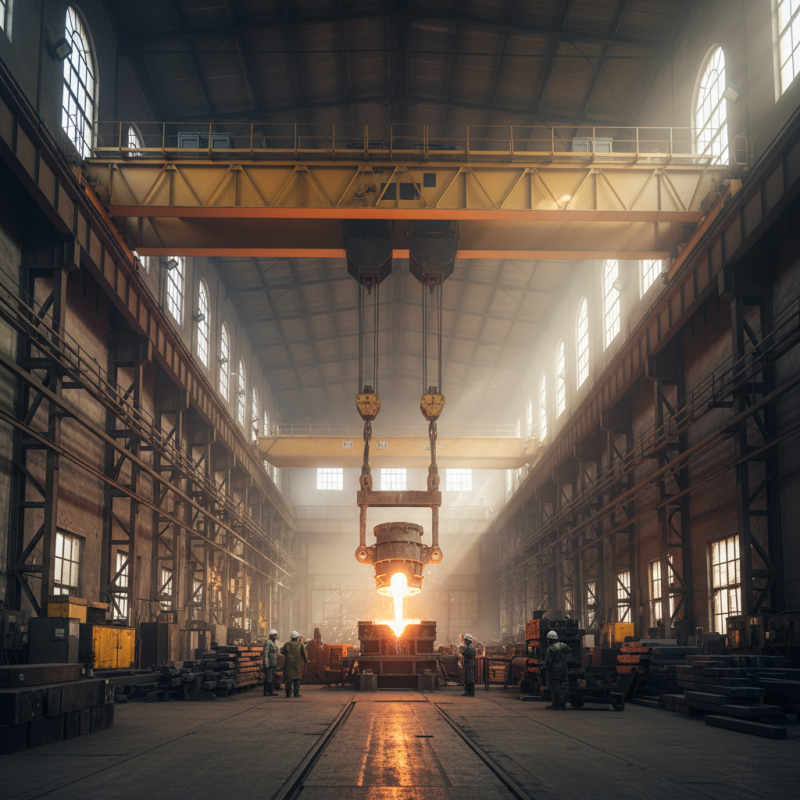
Types of Metallurgical Bridge Cranes for Heavy Lifting
Metallurgical bridge cranes are essential for heavy lifting in various industries. These cranes are designed to handle large, heavy materials. There are several types of metallurgical bridge cranes available, each tailored for specific needs.
One common type is the overhead crane. It moves along a fixed track, offering flexibility in operation. These cranes are ideal for manufacturing plants. They can lift heavy steel sheets and components with ease. Another type is the gantry crane. This design allows for outdoor use and can transport loads across a wide area. Gantry cranes are often used for shipbuilding and heavy construction projects.
Tips: Always assess your lifting needs before choosing a crane. Consider the weight and dimensions of the materials. It's also vital to check the clearance and lift height. Regular maintenance is necessary to ensure safety and efficiency.
Electric bridge cranes are popular too. They offer quick lifting speeds and precise control. These cranes are particularly useful in environments where time is critical. However, they may require a higher initial investment. Evaluate long-term benefits against costs. Reflect on your company's lifting demands before finalizing a choice. Each crane type has its advantages and drawbacks, so careful consideration is key.
Key Features of Metallurgical Bridge Cranes
Metallurgical bridge cranes are designed specifically for heavy lifting in challenging environments. These cranes excel in steelworks, foundries, and heavy industry settings. Their robust construction allows them to handle extreme loads with precision. They are built to endure harsh conditions, making them reliable for daily operations.
Key features of metallurgical bridge cranes include high lifting capacities and durable materials. They often feature specialized hooks that grip heavy loads securely. The ergonomic design ensures ease of operation. Operators can control movements with precision, enhancing efficiency.
Durability is crucial. These cranes face high levels of wear and tear. Regular inspections and maintenance are necessary to ensure optimal performance. Operators sometimes overlook minor wear, leading to potential risks. Training is vital to ensure safety and efficiency in operation. Heavy lifting can be daunting; therefore, a focus on safety protocols is essential.
Advantages of Using Metallurgical Bridge Cranes in Industry
Metallurgical bridge cranes are essential for industries that handle heavy materials. These cranes are designed specifically for lifting and transporting metals. Their robust structure ensures safety and reliability in demanding environments. According to the American Crane and Hoist Manufacturers Association, metallurgical cranes reduce material handling errors by up to 30%. This improvement in efficiency speeds up production processes.
Using metallurgical bridge cranes offers several key advantages. They excel in harsh conditions, such as high temperatures and exposure to molten metals. These cranes can withstand significant wear and tear, making them a long-term investment. Moreover, they provide precise control over heavy loads, minimizing the risk of accidents. In fact, industry reports show that using specialized cranes can decrease workplace injuries by around 25%.
Tip: Regular maintenance of your bridge crane can improve its lifespan. Schedule inspections every six months. This can prevent costly downtime and potential accidents. Also, training operators is crucial. Skilled operators can maximize efficiency and enhance safety.
While the benefits are clear, there are challenges too. Proper installation is vital. A poorly installed crane may lead to operational failures. Additionally, the initial costs can be significant. Organizations must weigh these factors against long-term gains. Investing wisely in metallurgical bridge cranes can yield notable returns when handled correctly.
Why Choose a Metallurgical Bridge Crane for Heavy Lifting? - Advantages of Using Metallurgical Bridge Cranes in Industry
| Feature | Description | Benefits |
| High Load Capacity | Designed to lift heavy materials and equipment. | Increases efficiency in handling heavy loads. |
| Durability | Constructed from robust materials to withstand harsh environments. | Long lifespan reduces replacement costs. |
| Precision Control | Advanced technology for accurate movements. | Minimizes the risk of accidents and improves safety. |
| Versatility | Capable of handling various materials and applications. | Suitable for diverse industrial needs. |
| Reduced Labor Cost | Reduces the need for manual lifting and transportation. | Enhances productivity and lowers labor costs. |
Applications of Metallurgical Bridge Cranes in Heavy Lifting Operations
Metallurgical bridge cranes play a vital role in heavy lifting operations across various industries. These cranes excel in environments like steel mills, foundries, and metal fabrication shops. They handle heavy and bulky materials efficiently. Their robust structure supports high lifting capacities, allowing them to manage loads much heavier than conventional cranes.
In steel production, these cranes assist in moving hot metal and large steel coils. Precision is crucial here to avoid accidents. However, factors like load sway and operator experience can affect performance. Operators must be trained and vigilant. They should understand the crane’s capabilities and limitations to ensure safety.
In metal processing, these cranes transport raw materials and finished products. This movement is integral to efficient workflows. Any delay or mishap can disrupt operations and increase costs. Continuous monitoring and regular maintenance of the cranes are necessary. It enhances reliability but involves planning and resources, which can sometimes be a hurdle for facilities. Balancing efficiency and safety remains a challenge in heavy lifting operations.
Maintenance and Safety Considerations for Metallurgical Bridge Cranes
Metallurgical bridge cranes play a crucial role in heavy lifting operations. Their unique design allows them to handle massive loads in industries like steel production. However, maintenance and safety are pivotal considerations. Regular inspections can identify wear and tear. Research suggests that nearly 30% of crane accidents result from inadequate maintenance.
Safety protocols are essential for preventing accidents. Operators must be well-trained to manage these powerful machines. A study from the American Society of Safety Engineers highlights that proper training reduces incident rates by 50%. Moreover, understanding load limits and stability helps in making informed lifting decisions.
Routine maintenance checks are not just a formality. They help prolong the lifespan of the crane and ensure efficiency. Ignoring maintenance can lead to costly repairs or even accidents. It's essential to have a maintenance schedule in place. Regular checks and part replacements enhance safety and operational reliability.