

Use it to plan your own robot barista payback period.

Want to know more details?
Please, contact your manager.
Aleksandr Maksimovich
Business Development Manager
Nalarobot Robotics | Nalarobot Café
Mobile: +375 333 760 460
(WhatsApp | Telegram | Viber)
BLOG
How to Choose a Robot Coffee Maker in 2026?
Choosing a Robot Coffee Maker in 2026 requires more than comparing futuristic photos and advertised drink counts. A reliable machine should produce consistent coffee, clean itself safely, and fit naturally into your daily routine. Imagine a small kitchen counter, a quiet morning, and a machine preparing a latte before the first meeting. That convenience matters. However, convenience should never replace careful evaluation.
This guide examines brewing quality, bean handling, milk systems, cleaning routines, noise, software, and long-term support. It also considers whether the machine can remember personal recipes without making basic controls confusing. Look for clear specifications, independent testing, transparent warranty terms, and accessible replacement parts. Manufacturer claims can sound impressive. Real ownership may reveal different limits.
A useful Robot Coffee Maker should balance automation with human control. Adjustable temperature, grind settings, milk texture, and serving size remain valuable when coffee preferences change. Security deserves attention too, especially for models using mobile applications or cloud services. Check update policies and privacy information before connecting the machine.
Not every advanced feature earns its price. Some systems waste water during cleaning, while others struggle with oily beans or narrow cup spaces. I have found that small design choices often matter more than dramatic technology. Still, personal testing can be imperfect, and one kitchen’s success may not transfer to another. This introduction will help readers compare practical performance, ownership costs, and everyday reliability before choosing a machine for 2026.
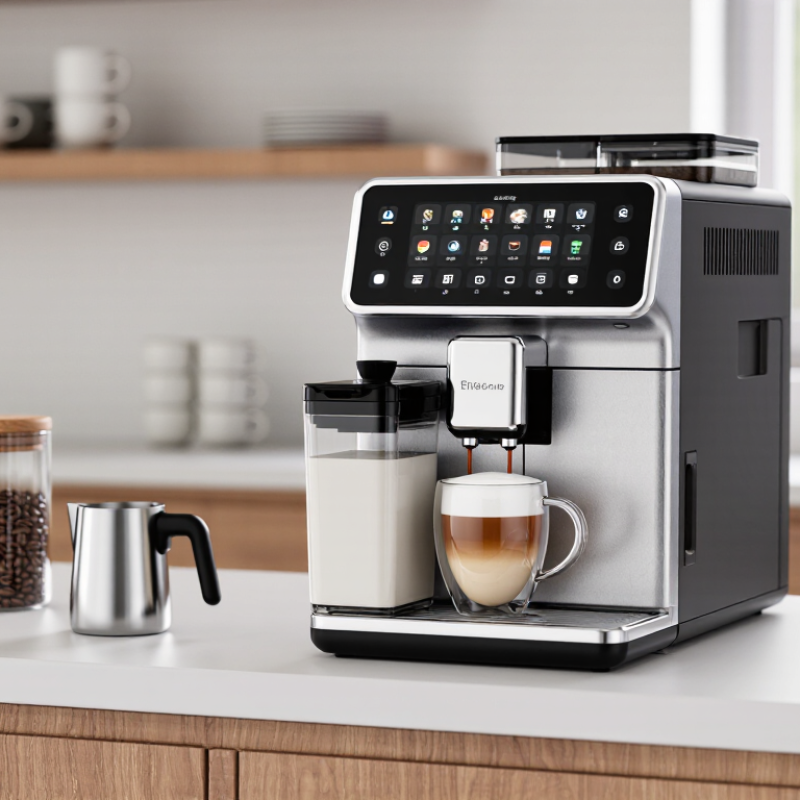
Define Beverage Needs Using SCA’s 90.5–96°C and 9–10-Bar Brew Targets
A robot coffee maker should be chosen by the drinks it must make, not by its screen. The 2024 National Coffee Data Trends report found that 67% of Americans drank coffee during the previous day. That habit includes brewed coffee, espresso drinks, and cold preparations. Your machine therefore needs a clear beverage profile before you compare automation features.
For filter-style brewing, use 90.5–96°C as a practical water-temperature window. SCA brewing guidance commonly centers on 92–96°C, with extraction balance depending on grind size and contact time. A lower setting can protect delicate light roasts. A higher setting may help dense, darker beans, but bitterness can appear quickly. Measure temperature at the coffee bed, not only inside the heating system. Small errors matter.
For espresso, look for roughly 9–10 bar at the coffee puck. Pump pressure alone can mislead. The Coffee Quality Institute and professional espresso training references emphasize stable pressure, suitable dose, and consistent flow. A robot should control all three. It should also adjust grinding and dosing without forcing one recipe onto every beverage.
I would not treat these figures as magic switches. My own kitchen test might still miss channeling after a long warm-up. Check pressure stability, temperature recovery, and the machine’s logging function. Those details reveal more than a glossy specification sheet.
How to Choose a Robot Coffee Maker in 2026? - Define Beverage Needs Using SCA’s 90.5–96°C and 9–10-Bar Brew Targets
| Beverage Need | Typical Starting Recipe | Recommended Brew Temperature | Recommended Brew Pressure | Useful Automation Features | What to Verify Before Choosing |
|---|---|---|---|---|---|
| Straight Espresso | 18–20 g ground coffee to approximately 36–40 g beverage; about 25–30 seconds as a practical starting point. | 90.5–96°C at the brew water or coffee bed, with adjustment for roast level and taste. | 9–10 bar during extraction. | Programmable dose, adjustable grind size, shot-volume control, pre-infusion, and repeatable brew settings. | Confirm that pressure and temperature refer to brewing conditions, not only pump specifications or boiler ratings. |
| Americano | One espresso shot diluted with approximately 90–180 ml of hot water, according to preferred strength. | Espresso base at 90.5–96°C; separate hot-water output should provide consistent dispensing. | Espresso extraction at 9–10 bar; hot-water dispensing is not a pressure-brew step. | Dedicated hot-water outlet, adjustable water volume, cup-height clearance, and a recipe memory function. | Check whether hot water can be dispensed without coffee residue or milk cross-contact. |
| Cappuccino | Espresso base with approximately 60–90 ml of steamed milk and a relatively thick layer of foam. | Espresso at 90.5–96°C; milk is commonly textured to approximately 55–65°C for a balanced taste. | Espresso extraction at 9–10 bar; milk texturing uses steam or an alternative aeration system. | Automatic milk frothing, adjustable foam volume, removable milk path, and automatic rinsing. | Look for milk-temperature control and a cleaning cycle that reaches every milk-contact component. |
| Latte | Espresso base with approximately 150–240 ml of steamed milk and a thin foam layer. | Espresso at 90.5–96°C; milk is commonly served around 55–65°C. | Espresso extraction at 9–10 bar. | Adjustable milk-to-coffee ratio, low-foam setting, large milk-container option, and height-adjustable dispensing. | Verify that the machine can produce a larger milk beverage without excessive temperature loss. |
| Lungo or Long Black | A longer espresso-style extraction or an espresso topped with hot water; recipe definitions vary. | Use 90.5–96°C as the espresso starting range, then adjust to reduce bitterness or thinness. | Target approximately 9–10 bar for the espresso portion. | Separate controls for shot volume and hot-water volume, plus programmable two-stage recipes. | Check whether the machine can add water after extraction instead of over-extracting the coffee puck. |
| Decaffeinated Coffee | Use the same espresso framework, but adjust grind, dose, and yield because decaffeinated beans can extract differently. | Begin within 90.5–96°C and fine-tune according to roast level and extraction taste. | 9–10 bar during espresso extraction. | Separate user profiles, bypass or purge function, easy bean-hopper emptying, and adjustable grinder settings. | Confirm that switching beans does not leave a substantial amount of the previous coffee in the grinder or brew path. |
| Multiple Daily Servings | Repeated espresso and milk recipes with consistent dose, temperature, pressure, and beverage volume. | Stable control within the selected recipe range; espresso target remains 90.5–96°C. | Stable extraction near 9–10 bar rather than relying only on maximum pump pressure. | Fast heat recovery, adequately sized water tank, accessible waste container, low-noise grinder, and cleaning alerts. | Evaluate rated daily capacity, recovery time, cleaning frequency, and the effort required for routine maintenance. |
| Cold or Iced Coffee | Usually a hot-brewed espresso or coffee served over ice; the final drink temperature depends on ice quantity and serving method. | Hot-brew espresso base may still use 90.5–96°C; ice is added after extraction. | Espresso portion at 9–10 bar; these targets do not define true cold-brew preparation. | Tall-glass clearance, strong short-shot programming, chilled-milk compatibility, and an easy-to-clean dispensing area. | Do not assume that an espresso machine’s hot-brew targets apply to immersion cold brew or dedicated cold-extraction systems. |
Related Posts
-
What is the Best Robotic Arm Design for Your Business Needs?
-
Unlocking Efficiency: Technical Specifications of Robot Baristas and How They Transform Coffee Service
-
7 Digital Innovations Transforming Your Coffee Robot Experience
-

How to Choose the Perfect Robot Coffee Machine for Your Home
-

Revolutionizing Automation with Advanced Robot Motors for Enhanced Efficiency and Performance
-
Understanding the Features and Applications of Various Industrial Robot Arms