How to Choose the Best Materials for Restroom Stall Walls?
Choosing the right materials for Restroom Stall Walls is crucial. Often overlooked, these surfaces contribute significantly to user experience and overall hygiene. Restroom stall walls should not only provide privacy but also be durable and easy to clean.
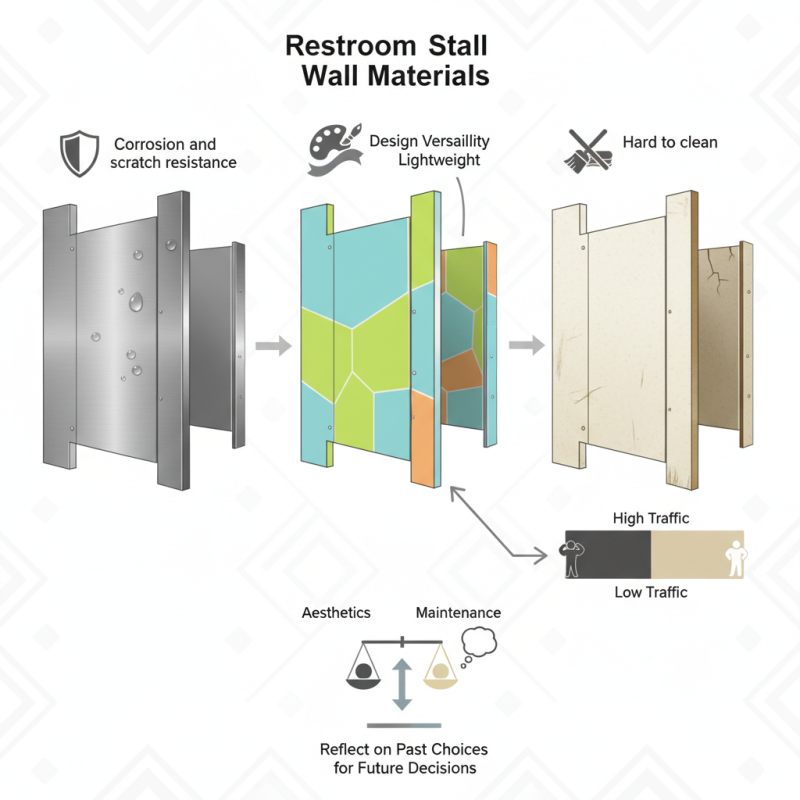
Different materials offer various benefits. For instance, stainless steel is resistant to corrosion and scratches. Plastic laminate is lightweight and offers versatility in design. However, some materials may show wear and tear faster than expected. Understanding the environment where the stalls are placed is vital. High-traffic areas may require sturdier options, while less busy spaces might manage with lighter materials.
Ultimately, selecting restroom stall walls is about finding the right balance between aesthetics, function, and maintenance. Many facilities struggle with this choice, often realizing too late the implications of their materials on cleanliness and user satisfaction. It's essential to reflect on past choices to improve future decisions.
Factors to Consider When Choosing Restroom Stall Wall Materials
When selecting materials for restroom stall walls, several factors come into play. Durability is key; stalls face constant use and exposure to moisture. Steel provides strength but may rust. Laminate offers a more colorful finish but can chip easily. Consider the installation process as well. Some materials are simpler to install, while others may require professional help.
Maintenance is another important factor. Materials like plastic are easier to clean and resist stains. Wood may look nice but can deteriorate when exposed to water. Make sure to evaluate how often the stalls will need cleaning. If your facility has high traffic, tougher materials might save time in the long run.
Tip: Pay attention to the aesthetics. Color and design can influence user experience. Bright colors can make a space feel welcoming. However, darker shades may hide dirt better. Remember to think about the user’s comfort. A well-designed restroom contributes to overall satisfaction. Balancing looks and practicality is the ideal approach.
Common Materials Used for Restroom Stall Walls and Their Properties
When selecting materials for restroom stall walls, understanding available options is crucial. Common materials include plastic laminate, stainless steel, and phenolic. Each has unique properties that affect durability, maintenance, and aesthetic appeal.
Plastic laminate is lightweight and customizable. It resists moisture and is easy to clean. However, it can scratch and dent easily under heavy use. A report from the American Institute of Architects indicates that about 70% of facilities prefer this choice for cost-effectiveness.
Stainless steel offers high strength and longevity. It's resistant to rust and corrosion. However, it may show fingerprints and scratches more easily. In high-traffic areas, it remains a popular option. Phenolic is a dense, solid material. It withstands humidity and wear. Yet, it can be more expensive than laminate, resulting in mixed reviews for budget-conscious facilities. Choosing the right material depends on specific needs and expectations.
How to Choose the Best Materials for Restroom Stall Walls?
| Material | Durability | Moisture Resistance | Maintenance | Cost |
| Stainless Steel | Very High | Excellent | Low | High |
| Laminate | Medium | Good | Medium | Medium |
| Plastic (HDPE) | High | Very Good | Low | Medium |
| Plywood | Medium | Poor | High | Low |
| Fiberglass Reinforced Plastic (FRP) | High | Excellent | Low | Medium |
Durability and Maintenance Requirements of Different Stall Wall Materials
When selecting materials for restroom stall walls, durability and maintenance are key factors. Materials vary significantly in their ability to withstand wear and tear. For instance, stainless steel is tough and resistant to vandalism. However, it can dent easily and show fingerprints. This may require frequent cleaning to keep it looking good.
Plastic laminate is another common choice. It is lightweight and comes in various colors. Yet, it can scratch and chip over time. The maintenance of laminate can be easier than metal, but it still requires care. Some might overlook the importance of regular inspections. Neglecting small damages can lead to bigger issues later.
Consider concrete composites as well. They are strong and resilient. However, they can crack if not installed properly. Regular checks help identify any issues before they worsen. Also, they may be heavy and require more effort during installation. Choosing the right material is crucial, but understanding their unique needs is equally important.
Cost Analysis: Budgeting for Restroom Stall Wall Upgrades
When budgeting for restroom stall wall upgrades, several factors play a role. Consider material costs, installation expenses, and long-term maintenance. Each choice has its price. For instance, wood may seem appealing but requires more maintenance over time. Metal may seem durable, yet rust can be a significant issue.
Finding the right balance is crucial. High-quality materials can last longer but often come at a premium cost. Budgeting should take potential repair costs into account. Many facilities overlook future upkeep. This can lead to additional expenses down the line, which may strain your budget.
It’s essential to evaluate your restroom’s usage. High-traffic areas might demand more robust materials. This has implications for your budget. Take time to analyze the costs versus longevity. This will help in making a wise investment. Ultimately, the right choice affects not only aesthetic appeal but also ongoing operational costs in a significant way.
Cost Analysis of Restroom Stall Wall Materials
Sustainability and Environmental Impact of Restroom Stall Materials
When selecting materials for restroom stall walls, sustainability should be a key factor. Eco-friendly options exist, yet many remain underutilized. Using recycled and renewable materials can significantly reduce environmental impact. For instance, bamboo and reclaimed wood are popular choices that offer durability without excessive resource extraction. Walls made from these materials can create a warm and inviting atmosphere.
However, some sustainable materials may require regular maintenance or could lack the longevity of traditional materials. This raises questions about their practicality. Are they the right long-term choice, or do they need frequent replacements? Another consideration is the manufacturing process. Not all eco-friendly materials are created equal. Some may still involve harmful chemicals during production, undermining their sustainability claims.
Moreover, cost can be a barrier. Sustainable materials might have a higher upfront price. This can deter decision-makers from choosing the best options. Balancing sustainability with budget constraints is a challenging yet necessary discussion. Ultimately, assessing the lifecycle and environmental impact is crucial. The goal is to make informed choices that not only comply with today’s environmental standards but also anticipate future needs.