How to Install Commercial EV Chargers Efficiently?
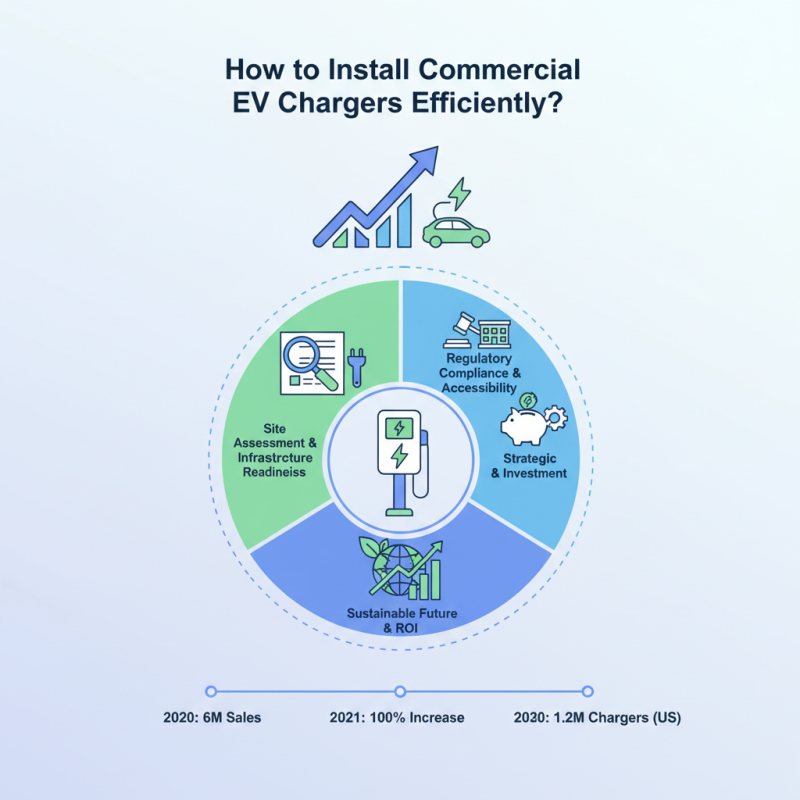
The rapid growth of electric vehicles (EVs) in recent years has transformed the transportation landscape. According to a report by the International Energy Agency (IEA), global electric car sales surpassed 6 million in 2021, a staggering increase of over 100% from 2020. As the demand for electric vehicles rises, businesses face the pressing need for efficient Commercial Ev Charger Installation.
Installing these chargers is not just a technical challenge; it also requires strategic planning and investment. A study by the Edison Electric Institute projects that by 2030, there will be a need for around 1.2 million public chargers in the United States alone. This significant number highlights both the opportunity and the urgency for businesses to adapt to this shift. However, common misconceptions and logistical issues can complicate the installation process.
Proper site assessment and infrastructure readiness are crucial yet often overlooked factors. Ensuring that the charging stations comply with local regulations and are physically accessible can be daunting. By understanding these complexities, businesses can make informed decisions about their Commercial EV Charger Installation, contributing to a sustainable future while maximizing return on investment.
Choosing the Right Location for Commercial EV Charger Installation
When selecting a location for the installation of commercial EV chargers, several factors come into play. Data from the International Energy Agency highlights that the placement of charging stations significantly impacts utilization rates. Charging stations located near high-traffic areas or public facilities see up to 70% more use. A prime location near retail centers or office buildings can also increase foot traffic for businesses.
Visibility is also crucial. A well-positioned EV charger should be easily accessible. According to a report from the U.S. Department of Energy, visibility and convenience can boost charging station adoption by 50%. Additionally, installation near existing electrical infrastructure can reduce costs, but many businesses overlook this aspect. By not conducting a thorough site assessment, companies may face unexpected expenses later.
Furthermore, charging speed plays a role in location choice. Fast chargers, while more costly, can draw more customers. Reports indicate that locations with fast-charging options attract users who prefer quick stops. However, not all businesses have the space or budget for multiple fast chargers. This discrepancy often leads to a needs assessment that highlights gaps in service availability. Understanding these nuances is vital to making informed decisions.
Commercial EV Charger Installation Efficiency by Location
Understanding Power Requirements and Electrical Infrastructure
Installing commercial EV chargers requires a deep understanding of power needs and existing electrical systems. The first step is to assess the power requirements of the chargers. Different chargers may demand varying levels of electricity, ranging from 3.3 kW for Level 2 chargers to 350 kW for DC fast chargers. Proper evaluation ensures that the infrastructure can support these demands without overloading the system.
Next, evaluating the electrical infrastructure is crucial. This includes checking the existing panels, wiring, and transformers. Upgrading may be necessary if the current setup cannot handle the increased load. Often, facilities may find that their current electrical capacity falls short. This may lead to costly upgrades and extended installation timelines. Engaging with a qualified electrician helps identify potential limitations.
Finally, it is vital to consider future expansion plans. As electric vehicles gain popularity, demand for charging stations is likely to grow. Facilities should think ahead when planning installations, allowing for scaling. This foresight can save resources down the road. Balancing immediate installation needs with long-term goals is a challenge that requires thoughtful consideration.
Selecting the Appropriate EV Charger Type for Your Needs
When selecting the appropriate EV charger type for commercial use, several factors must be considered. Different businesses have unique needs. A fast charger may be ideal for high turnover locations, while a Level 2 charger can suffice for businesses with longer dwell times. Assess your customer flow and charging requirements carefully.
Understanding your power supply is crucial. Some locations may have limited electrical capacity. Upgrading infrastructure can be costly and time-consuming. Make sure to consult with a professional electrician. They can provide insight into the best options for your situation. Compatibility with your fleet is also key. Ensure the charger supports your vehicles' batteries effectively.
Consider future growth too. As more businesses adopt EVs, demand for charging may increase. Invest in scalable solutions that can grow with your needs. Reflect on your current and future charging demands and plan accordingly. This approach ensures you won't outgrow your setup too quickly. Balancing immediate needs with future expectations can be challenging but essential for sustainable operations.
Planning for Future Expansion and Scalability
When considering the installation of commercial EV chargers, future expansion and scalability are crucial. A study from the International Energy Agency indicates that global electric vehicle sales are expected to exceed 30 million units annually by 2030. This growth presents an urgent need for adequate charging infrastructure. Planning for scalability means choosing a flexible setup that can accommodate increased demand. Start with a base number of chargers and ensure your electrical capacity can handle future loads.
To maximize future readiness, consider modular charging solutions. These allow for the easy addition of chargers as needed without disrupting existing operations. Investing in smart charging technology can also enhance efficiency. It can optimize energy distribution based on usage patterns, helping to prevent overloading the grid.
Tips for a scalable installation:
- Conduct a thorough site assessment.
- Leave room for additional chargers in your layout.
- Choose equipment that is compatible with the latest technology.
Questions about the future of EV charging persist. How fast will infrastructure develop? Will it keep pace with vehicle sales? Keeping these uncertainties in mind is essential when planning your installation.
Ensuring Compliance with Local Regulations and Standards
Installing commercial EV chargers not only requires technical expertise but also adherence to local regulations. Compliance is paramount in ensuring safety and reliability. According to the International Electrotechnical Commission (IEC), around 77% of charging infrastructure projects face delays due to regulatory obstacles. Understanding these regulations is the first step toward a successful installation.
Local building codes often mandate specific electrical standards that must be met. For example, the National Electrical Code (NEC) provides guidelines for installation practices. Ignoring these can lead to costly fines or, worse, safety hazards. Additionally, various municipalities have unique ordinances. Ensuring compliance may require consultation with local authorities, which can be time-consuming. However, it is essential for both operational success and community acceptance.
Electrical engineers should conduct a thorough site assessment before installation. This should include an evaluation of existing electrical infrastructure. Neglecting this can result in inadequate power supply or excessive installation costs. Regular training on compliance updates is crucial. Professionals must stay informed about amendments to regulations and best practices. This approach not only fosters reliability but also builds trust with stakeholders.
How to Install Commercial EV Chargers Efficiently? - Ensuring Compliance with Local Regulations and Standards
| Aspect | Details |
| Site Assessment | Evaluate location for electrical capacity and accessibility. |
| Local Regulations | Research and comply with local zoning, building codes, and permits required. |
| Type of Charger | Choose between Level 2 and DC Fast Chargers based on needs. |
| Installation Team | Hire licensed electricians experienced with EV charging installations. |
| Testing & Commissioning | Conduct safety checks and functionality tests before public use. |
| User Guidelines | Provide clear instructions on how to use the chargers effectively. |
| Maintenance Plan | Establish a regular maintenance schedule to ensure reliability. |
| Customer Support | Set up a support system for users encountering issues. |