Why Choose an Injection Machine Robot for Your Manufacturing Needs?
In today’s competitive manufacturing landscape, companies constantly seek efficiency and productivity. One crucial advancement is the Injection Machine Robot. This technology offers precise automation in production processes. As industries evolve, the adoption of these robots can create significant benefits.
Injection Machine Robots streamline operations, often reducing labor costs. They offer consistent quality and minimize defects, enhancing overall output. However, the initial investment may seem daunting for some businesses. Companies must weigh the long-term savings against upfront expenses. Furthermore, integrating these robots requires staff training, which can disrupt workflows.
Despite the challenges, the advantages of Injection Machine Robots are compelling. They improve speed and accuracy, which can elevate a company’s market position. Yet, manufacturers should reflect on their specific needs and capabilities before transition. Embracing this innovation could be a game-changer for many, but careful consideration is necessary.
Benefits of Automation in Injection Molding Processes
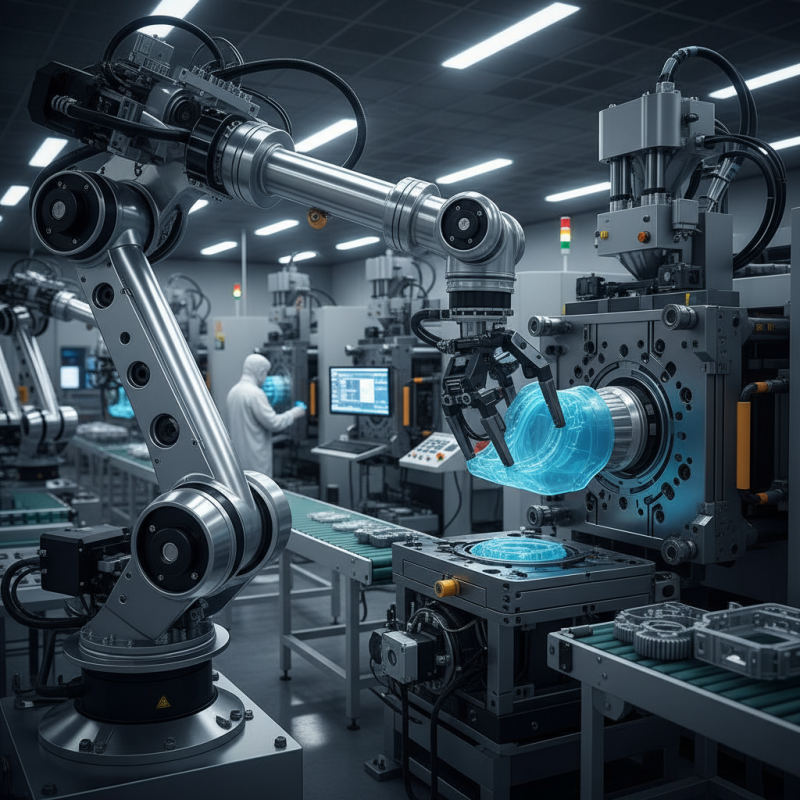
The benefits of automation in injection molding processes are significant. Automation enhances efficiency by reducing cycle times. A robot can perform tasks like loading and unloading molds quickly. This leads to higher production rates and improved output consistency. Workers can focus on more complex tasks, which require creativity and skills.
Cost savings are another advantage of automation. Although the initial investment is high, the long-term savings are clear. Reduced labor costs and minimized material waste contribute to overall profitability. Quality control improves, as robots are precise in executing repetitive tasks. Defects can be significantly lowered, but not eliminated completely. Regular checks are still crucial.
However, implementing automation poses challenges. Integration with existing systems may not be seamless. Training staff to operate and maintain robots requires time and effort. Resistance to change can emerge among workers. It's essential to weigh the advantages and challenges carefully. Automation offers clear benefits, but it isn't a one-size-fits-all solution.
Why Choose an Injection Machine Robot for Your Manufacturing Needs? - Benefits of Automation in Injection Molding Processes
| Feature | Description | Benefits |
| Precision | Highly accurate placement and movement of components. | Reduces waste and improves product quality. |
| Speed | Fast cycle times for injection molding processes. | Increases throughput and production efficiency. |
| Cost Efficiency | Reduced labor costs and material waste. | Lower overall manufacturing costs. |
| Safety | Minimizes human interaction with hazardous processes. | Increases workplace safety and compliance. |
| Flexibility | Easily programmable to handle various tasks. | Adapts to changing production needs and product lines. |
Cost Efficiency: Reducing Labor Costs with Injection Machine Robots
In modern manufacturing, injection machine robots are becoming essential. They offer significant cost efficiency, particularly in reducing labor costs. With these robots, businesses can streamline operations. Less reliance on human labor means lower wages and benefits expenditures. This shift not only cuts costs but also increases productivity.
To maximize savings, consider automating repetitive tasks first. Focus on areas where human error is common. Injecting robots excel here. Think about shift patterns too. Robots can work continuously, filling gaps that human staff cannot. This allows for more flexible hours without overtime costs.
Investing in training is crucial. While robots reduce labor costs, skilled personnel are still needed. Properly trained staff can manage and troubleshoot the machines, preventing costly downtime. Take time to assess your current processes. Identify where robots can effectively replace or support human effort. This reflection can help reimagine workflow, leading to more effective use of resources.
Increased Precision: Enhancing Product Quality Through Robotics
In today's manufacturing landscape, precision is king. Injection machine robots significantly enhance product quality by minimizing human error. According to a report by the International Federation of Robotics, robotic systems can improve production precision by up to 30%. This is crucial for industries where exact measurements are vital, such as automotive or medical device manufacturing.
The integration of robotics in injection molding leads to consistent results. A study from the Boston Consulting Group revealed that companies using robotic arms experienced a reduction in defects by 15% to 25%. However, challenges still persist. Transitioning to robotic systems requires training and potential downtime, which may disrupt current workflows.
Investments in robotics can be substantial. A 2023 survey indicated that around 40% of manufacturers hesitated to adopt automation due to costs. Yet, the long-term benefits often compensate for those initial obstacles. Enhanced precision facilitates not just quality, but also customer satisfaction. In an era where consumers expect more, maintaining high standards is essential. Finding a balance between automation and human oversight remains a point for reflection.
Production Speed: How Robots Improve Manufacturing Throughput
Injection machine robots are revolutionizing the manufacturing industry. They significantly enhance production speed and efficiency. These robots work tirelessly, synchronizing tasks that human operators might struggle to manage at the same pace. In environments where precision matters, the consistency of a robot is invaluable.
The main appeal lies in their throughput capabilities. By automating tasks, companies can produce more goods in less time. For instance, a robot can operate continuously while a human takes breaks. This seamless operation increases overall output, enabling faster delivery to clients. However, integrating robots isn’t always straightforward. Manufacturers must navigate initial setup costs and training staff to work alongside machines.
Continuous improvement is essential in this realm. While robots boost throughput, companies must regularly assess their operations. Sometimes, a lack of maintenance or wrong programming can slow down production. Identifying potential issues in robotic workflows is crucial. Overall, embracing injection machine robots requires careful planning and ongoing evaluation.
Production Speed: How Robots Improve Manufacturing Throughput
This chart illustrates the impact of injection machine robots on manufacturing throughput. The data highlights the differences in production speed across various manufacturing processes with and without robotic automation.
Industry Trends: The Rise of Automation in Injection Molding Technology
The rise of automation in injection molding technology marks a significant shift in the manufacturing landscape. According to a recent industry report, automation in injection molding is expected to grow at a compound annual growth rate (CAGR) of 8.2% from 2022 to 2028. This trend highlights the increasing reliance on technology to improve efficiency and reduce production costs. Companies are witnessing enhanced precision and faster cycle times.
Injection machine robots are at the forefront of this automation wave. They offer consistent quality control, minimizing human error. The latest data shows that factories embracing these robots have lowered production costs by up to 30%. Despite these advantages, challenges linger. Initial investment costs can be high. Businesses also face difficulties in training staff to work alongside advanced machines. As the technology evolves, it's crucial to address these issues.
The ongoing integration of smart technologies adds another layer. IoT-enabled injection machines allow real-time monitoring and maintenance. Yet, many manufacturers remain hesitant. Concerns about job displacement and the complexity of integrating new systems need careful consideration. Balancing automation and human expertise is vital for sustainable growth.